Introduction
Flight simulators have captured the hearts of aviation enthusiasts, enabling them to experience the thrill of flying from the comfort of their homes. The key to a truly immersive flight sim experience lies in selecting the right VR headset. This guide delves into the most suitable VR headsets for flight simulators and highlights essential features and audio configurations that could transform your virtual flying experience.
Essential Features of a VR Headset for Flight Sims
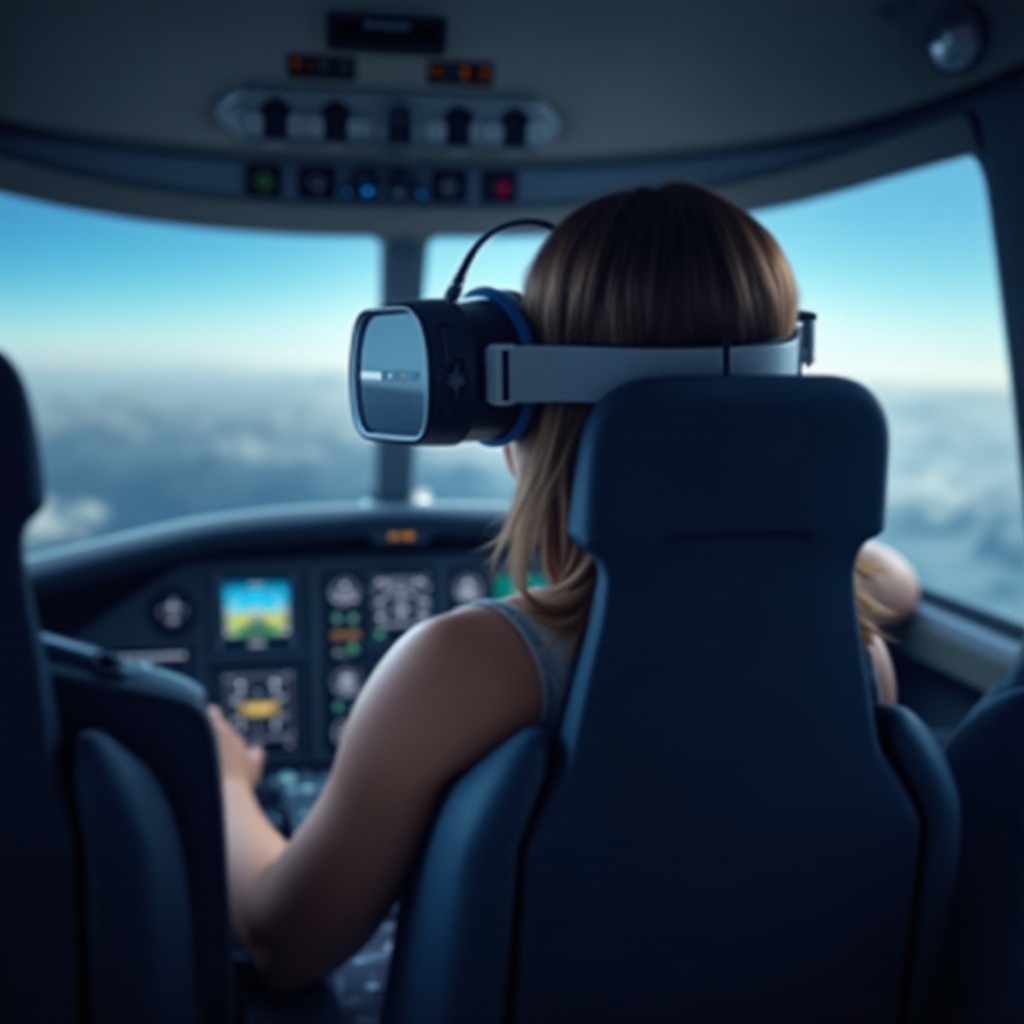
Exploring the skies virtually requires a VR headset that balances performance with comfort. Key features to consider include display quality, comfort, and audio performance, all of which significantly affect immersion.
– Display Quality: Choose VR headsets with high resolution and refresh rates to ensure vivid visuals and fluid motion, reducing the risk of motion sickness.
– Comfort and Ergonomics: Flight sims can involve extended play sessions, making comfort a priority. A well-designed headset with cushioning and adjustability ensures enjoyment without discomfort.
– Audio Capabilities: While built-in speakers provide adequate sound, using high-quality external headphones can enhance the audio experience, allowing for clearer, more immersive in-game sounds.
These features are foundational to determining which of the latest headsets best suit your sim flying needs.
Top VR Headsets for Flight Simulations in 2024
As VR technology advances, choosing the right headset for flight simulations becomes crucial for a realistic experience. Here are our top picks for 2024:
– Oculus Quest 3: It offers outstanding versatility, featuring enhanced optical performance, adjustable IPD, and is standalone yet PC-compatible, making it perfect for any setup. While its built-in audio is satisfactory, coupling it with premium headphones enhances sound depth and clarity.
– Valve Index 2: Known for delivering a high-end experience, the Index 2 provides high refresh rates, a wide field of view, and crisp visuals. Its advanced audio setup includes near-field speakers that offer a natural sound quality, but for enhanced isolation, external headphones remain an option.
– HP Reverb G3: Exceptional for its ultra-clear visuals due to its high-resolution display, pivotal for flight sim details. Includes built-in spatial audio, but for audiophiles, its adaptability to external headphones allows for a more personalized audio experience.
Selecting the best headset involves evaluating how these options align with personal preferences and the specific demands of different flight simulators.
Selecting the Best Audio Setup for VR Flight Sims
Audio quality plays a pivotal role in achieving full immersion in flight sims. When considering audio setup, you’ll need to decide between over-ear and in-ear headphones, as well as wired or wireless options.
– Over-ear vs. In-ear Headphones: Over-ear headphones generally provide superior noise cancellation, making for a more immersive experience. However, in-ear headphones might offer superior comfort during prolonged usage.
– Wired vs. Wireless: While wired headphones often deliver better sound quality, wireless models remove the tangling hassle, ensuring freedom of movement.
– Recommended Headphones: Consider headphones known for superior sound quality, such as the Bose QuietComfort series for noise-cancelling over-ear headphones or Sony’s WF-1000XM4 for exceptional wireless in-ear audio.
Crafting the perfect audio setup enhances the way flight simulations sound, complementing the visual immersion delivered by your VR headset.
Setting Up Your VR and Headphone Configuration
Proper configuration of your VR headset and headphones is essential for an optimal experience. Here is how you can set up your equipment:
1. Pairing and Calibration: Ensure your headphones are correctly synchronized with your headset, whether wired or connecting via Bluetooth for wireless models.
2. Managing Cables: For wired headphones, employ cable clips or ties to keep cables organized and out of the way during gameplay.
3. Audio Settings: Explore and adjust in-game audio settings like directional sound to tailor the audio experience to your preference.
Properly configured equipment offers a more seamless and enriched simulation session.
Enhancing the VR Flight Sim Experience
To truly immerse yourself in flight simulation, consider further enhancements beyond the basic setup:
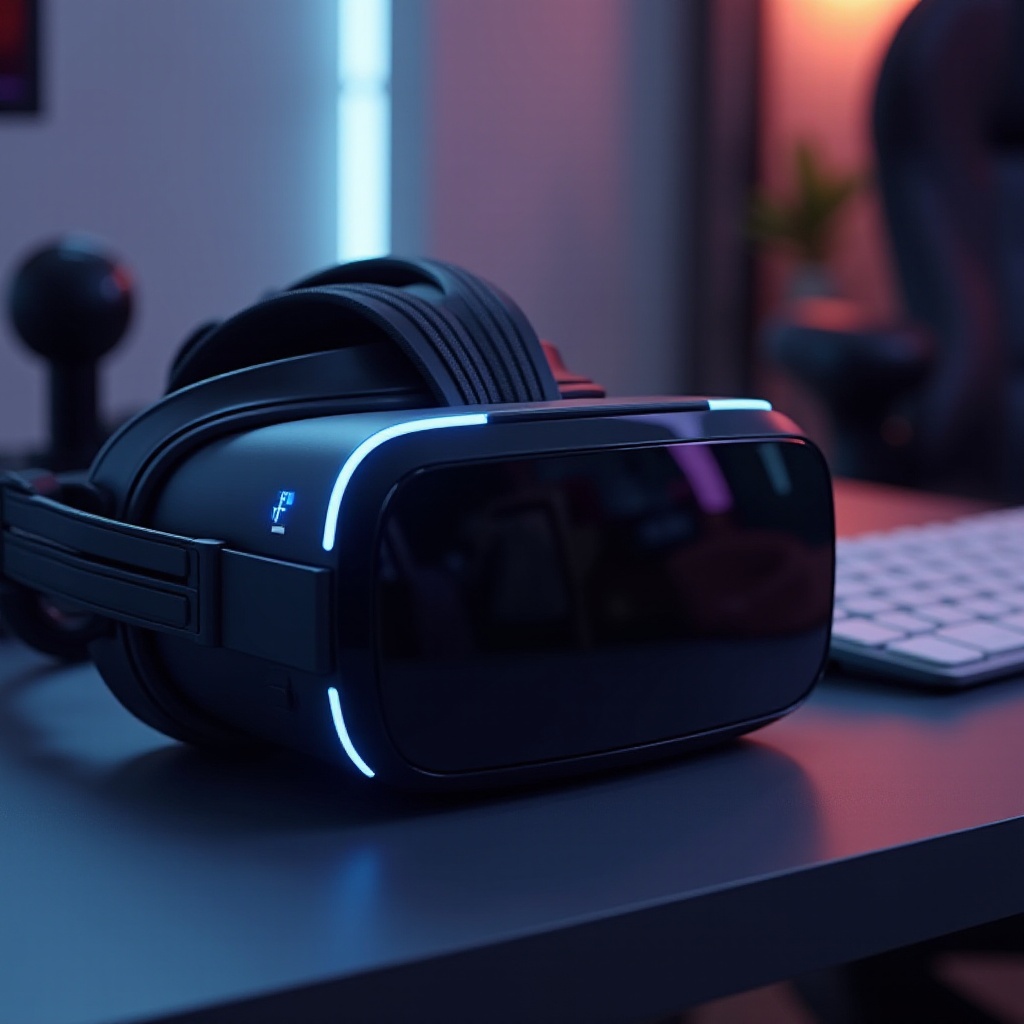
– VR Mods and Custom Solutions: Use available modifications or accessories to enhance comfort or visual quality, like replacement lenses or upgraded facial padding.
– Personalizing Audio Settings: Adjust audio profiles or leverage third-party sound software to fine-tune your audio settings, achieving the ideal soundscape for different flight scenarios.
These enhancements serve to elevate the experience, making your time in the cockpit even more realistic.
Conclusion
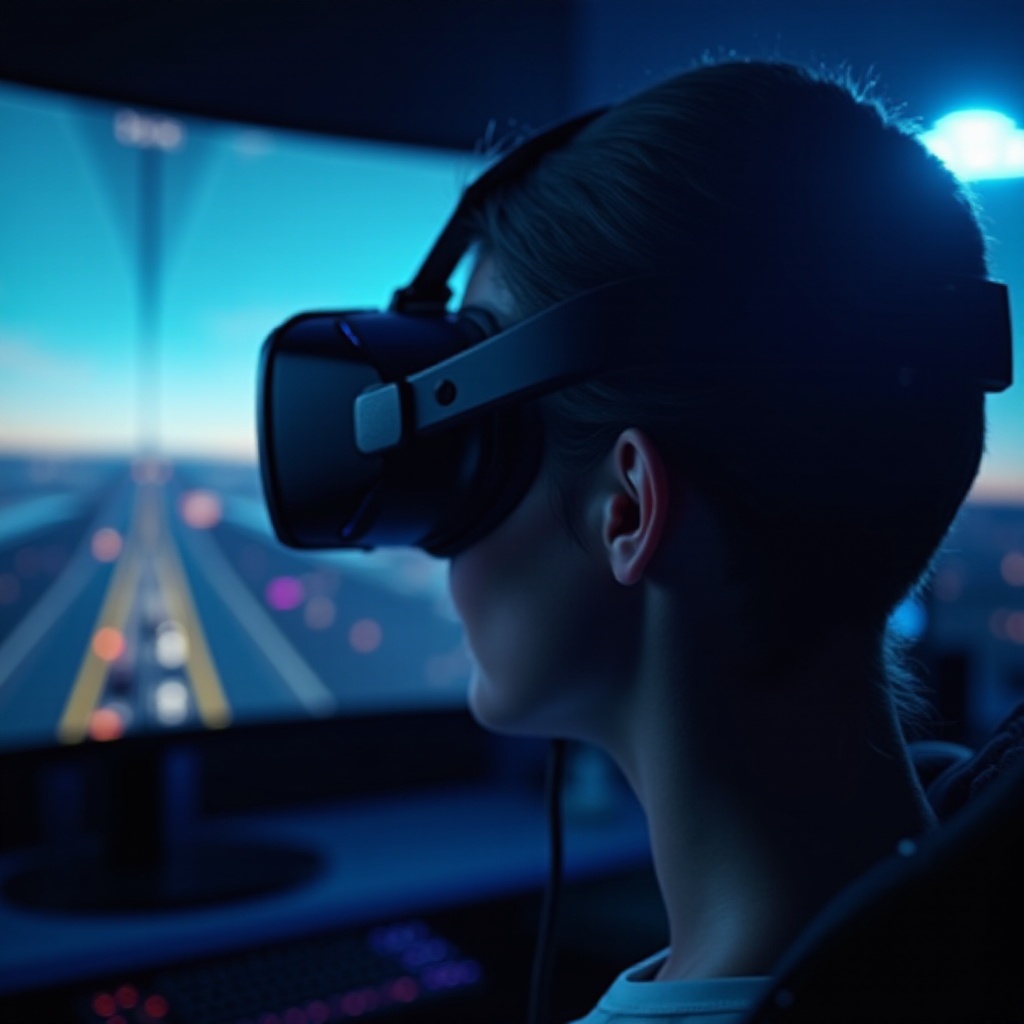
Picking the right VR headset and audio configuration is key to transforming your flight simulator experience. The latest headsets, combined with optimal audio setups, offer an unparalleled journey into virtual skies. By focusing on display quality, comfort, and immersive sound, you prepare to engage your senses as you pilot your virtual aircraft, stimulated by the realism of a well-chosen VR setup.
Frequently Asked Questions
Which VR headset offers the best display quality for flight sims?
The HP Reverb G3 is highly praised for its superior visual clarity and high resolution, ideal for aviation enthusiasts seeking detail-rich environments.
Can I use my existing headphones with VR headsets?
Yes, most VR headsets support external headphones. It’s essential to check compatibility regarding connectors, especially between wired and wireless options.
How important is audio quality in VR flight simulations?
Very important. Quality audio enhances realism, helping users better experience engine sounds and environmental cues crucial to the flight simulator experience.